Hunting! People have all sorts of opinions about it, depending, of course, on their connection to it and their relationship with it. The occasional layperson who has heard of it and has a vague idea of what it involves sees it quite differently from someone for whom it is recreation or a hobby, and differently again from someone for whom it is a vocation, a job, a way of life. And, let’s not be hypocritical, it also has its “gut-level” opponents.
It may come as a surprise, but laypeople and those who practise hunting, whether as a hobby or professionally, share some common ground. The hunter is outdoors, in nature, in the fresh air and the forest. In today’s computerised world, where most people move less and less, have barely any contact with nature, and spend hours in offices, that is undeniably healthy. Even opponents, mostly animal-rights advocates, can’t deny this. Since we’ve mentioned them: hearing news of massive elephant hunts in Africa or Asia, it is not entirely unfounded to believe that people are capable of unrestrained killing for financial gain, namely ivory. We should add right away that such cases, while not isolated, are fortunately not very common, and they are far from typical of hunting in general. Here in Hungary, they are certainly not. At home, hunting is governed by strict rules, and a hunting ban applies to game animals during their breeding season.
Professional hunters and hunting associations do more to help wildlife populations grow than to cull them.
Those who don’t know this activity closely may not realise that professional hunters and hunting associations do more to help wildlife populations grow than to cull them. They distribute food and water along game trails, which is especially important in the current severe drought, so that forest animals have enough to eat, can live their own lives, and can reproduce. It’s probably not widely known either that hunting in Hungary is very strictly regulated. A person must demonstrate wide-ranging, deep, and comprehensive knowledge before being allowed to hunt.
Hunters themselves can have very different motivations. Some withdraw alone to unwind and recharge after a busy week, while others are drawn by the company, the shared hunt, or the big feast afterwards. But the people who truly know hunting are those who work for hunting associations and do it professionally. Experienced hunters can often tell at a glance whether an animal is sick or might be spreading an infection, and here too it is important to make the right decision. That is rarely culling the infected animal; more often it means bringing in the animal-health authorities to run tests, including on whether the infection may be spreading.
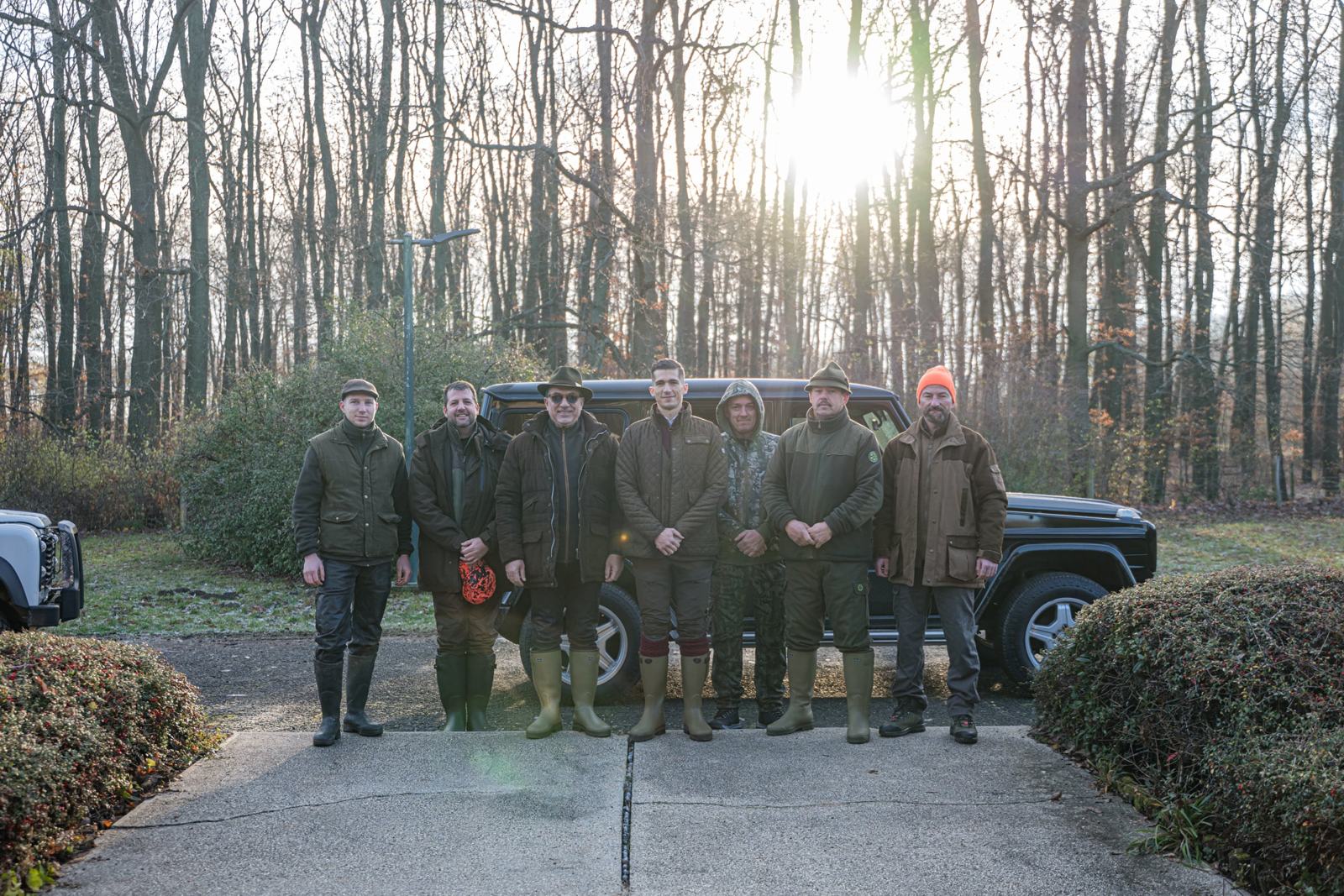
Only professional hunters truly know and feel how varied and multifaceted this work is, and what joy it can bring when the food or water they set out has run out and it’s time to “restock the supplies.” Hunting also has a purpose that may not be officially stated: to support natural selection, so that the most skilful and fittest animals survive in the greatest numbers and the best of them pass on their genes.
Hunting also, so to speak, serves other industries. Take the most obvious one: the food industry, connected to the feast mentioned earlier. After all, what has to happen first before a good wild-boar stew in red wine, a saddle of roe deer with mushrooms, or a haunch of venison reaches the table?
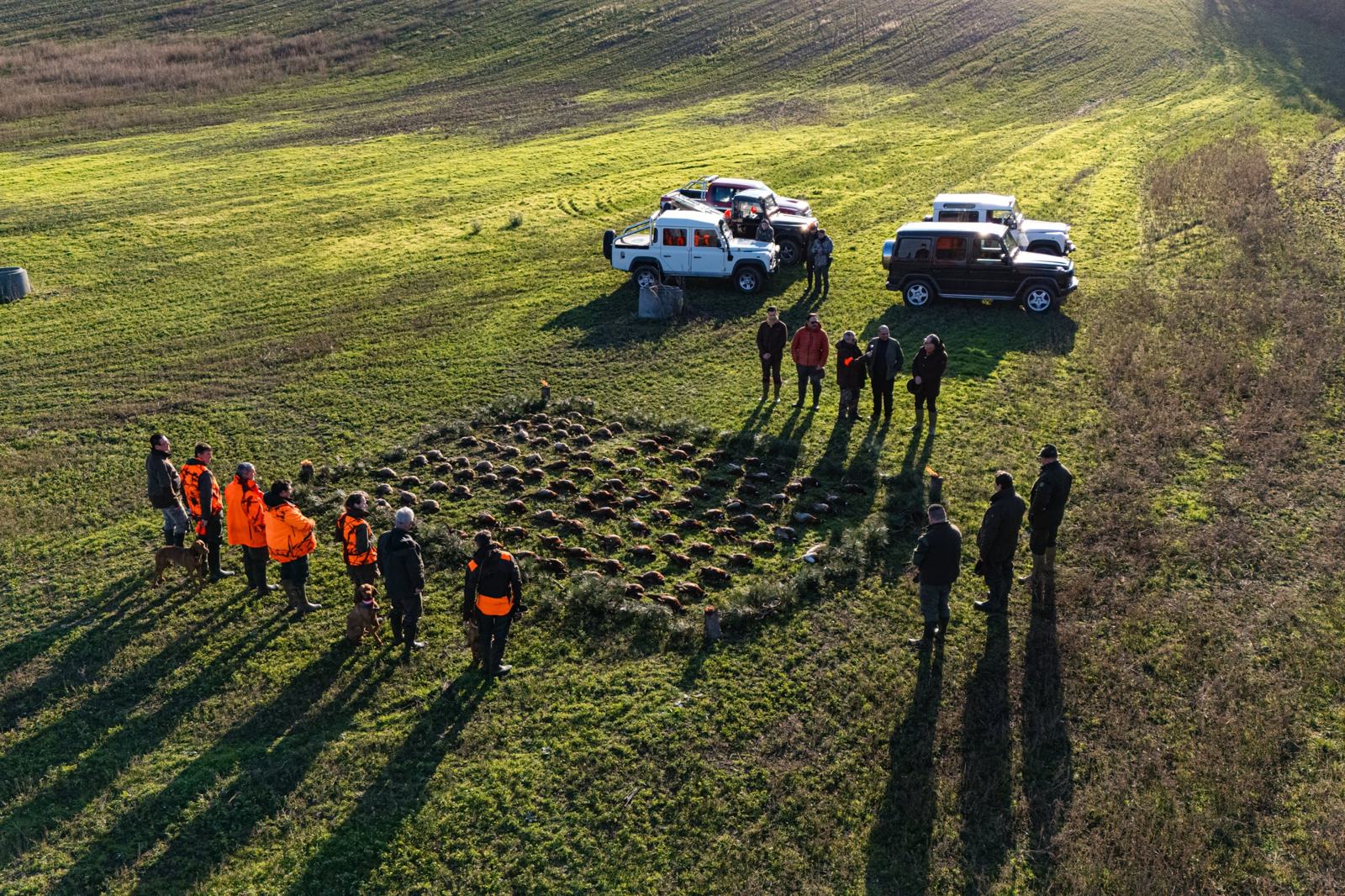
And speaking of deer: in Hungary, one of the main symbols of hunting is a fine, large set of antlers, an ornamental trophy. It often adorns the home, flat, or office of the hunter who took the animal. Unlike the African ivory mentioned earlier, however, this trophy’s commercial or monetary value is not exceptional, though its sentimental value is all the greater. It speaks to the knowledge the hunter has gained through the activity, and anyone whose home is graced by a fine set of antlers can probably be justly proud of their hunting expertise.
One more thought on trophies: in Hungary, the size of headgear an animal must carry before it can be hunted is also strictly regulated. For experienced hunters this size is, figuratively speaking, well established, and game carrying at least that much is, quite literally, fair to shoot. Animals with smaller antlers are protected by this rule, partly precisely to increase reproduction.
There are surely plenty of people who, even if they wouldn’t hunt themselves, would love to get to know this varied, multifaceted outdoor activity more closely, an activity that can be a hobby, a passion, or a calling.
It is these people we’d like to inspire to take a deeper look into the diversity, depth, and secrets of hunting on a kind of Hungarian safari, guided by experienced, expert hunters, perhaps finishing the tour with a hearty hunter’s feast.
If you would like to experience the secrets of hunting up close, or even “dive deeper” into it, in the fresh air and a little removed from the monotony of everyday office life, please get in touch with us using any of the contact details on our website.
← All articles